
The mysterious world of natural glass
Program
Glass is one of the most widely used materials by humans. It is used to make everyday objects, in various industries, and as a building material. Although glass production is relatively simple, natural glass is quite rare on Earth. Its formation is dependent on the rapid cooling of a silicon dioxide-rich melt, which occurs, for example, during volcanic eruptions or after the impact of large meteorites. It may seem that volcanic eruptions produce large amounts of natural glass. In reality, it is a rare case when we find lava that has solidified so quickly that it has been preserved as glass. One of the main reasons is the content of water and volatile substances, which significantly reduce the viscosity of the hot melt and thus facilitate the crystallization of minerals and rocks, while natural glass is amorphous, i.e., it does not have a crystal lattice. But even after its formation, it is not certain that natural glass will be preserved, as it is exposed to various geological processes that can lead to its destruction. In addition, all natural glasses are thermodynamically unstable under Earth's surface conditions and tend to chemically weather or undergo devitrification, leading to their slow destruction. Nevertheless, a relatively large family of natural glasses has survived to the present day, and their occurrence in nature, including the surrounding universe, is significantly greater than originally assumed.
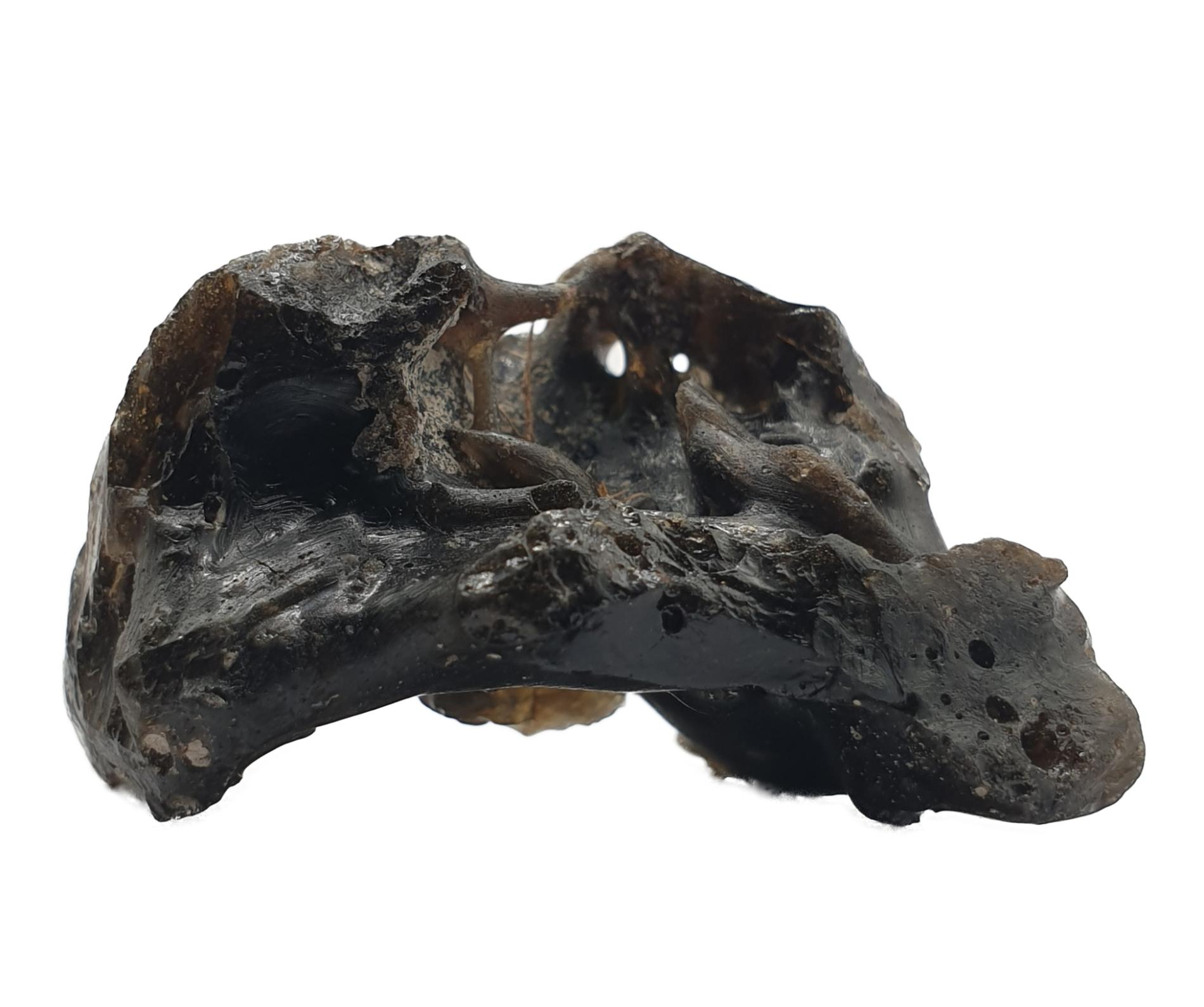
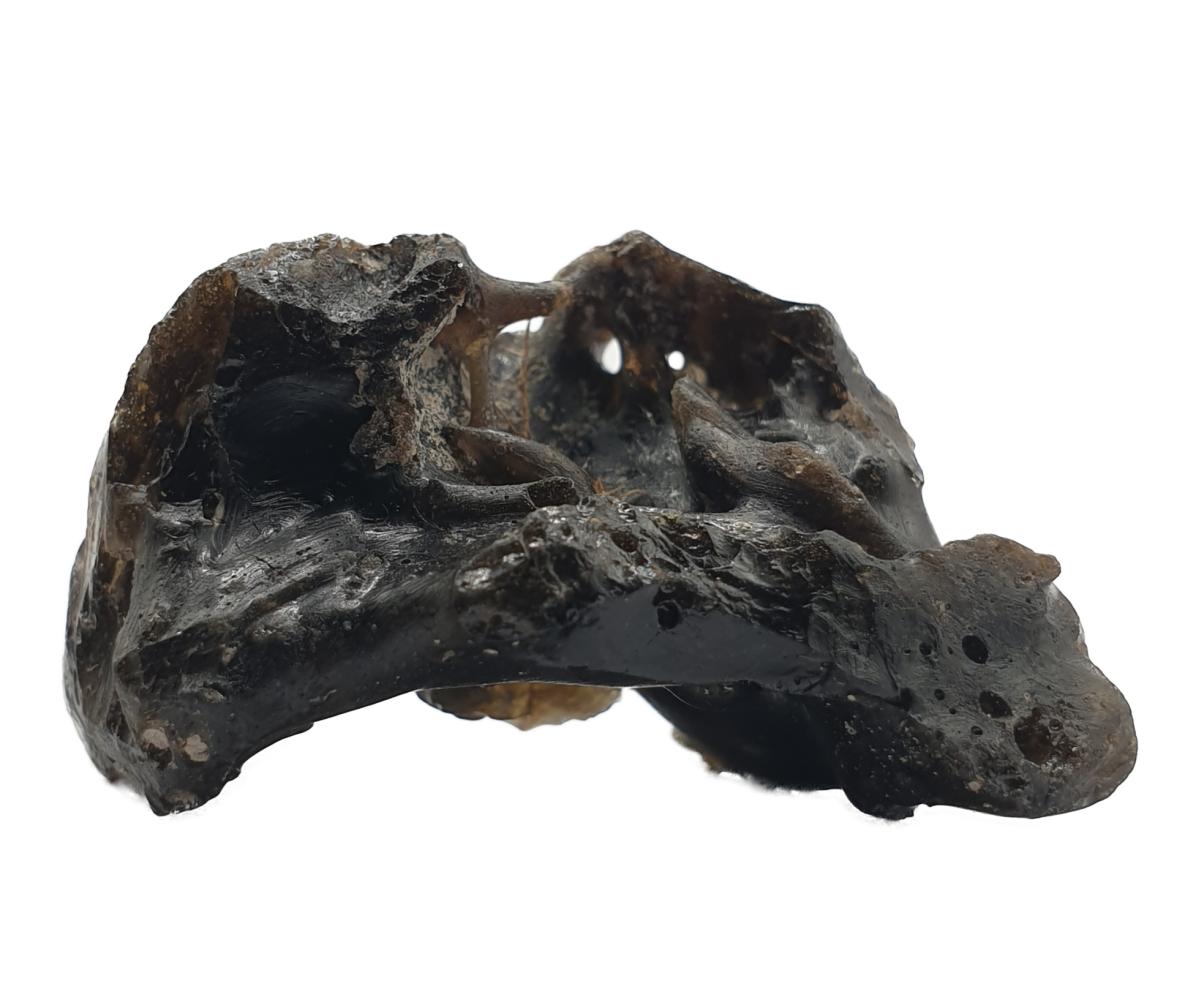
The exhibition "The Mysterious World of Natural Glass" presents one of the most comprehensive private collections of natural glass, which includes common types such as volcanic glass and tektites from all corners of our planet, as well as much rarer types such as impact and diaplectic glass or fulgurites. The exhibits on loan come from the collection of Václav Bozděch from Liberec.
Curator: Jan Bubal


