Samples from Jablonec export houses and glass negatives are online
In 2025, the Museum of Glass and Jewelry in Jablonec nad Nisou received a grant from the National Recovery Plan. The amount exceeding CZK 1.5 million was used to digitize and make available online the pattern books of Jablonec export houses and glass negatives. The grant was provided by the Ministry of Culture of the Czech Republic as part of a program to digitize cultural assets and national cultural monuments.
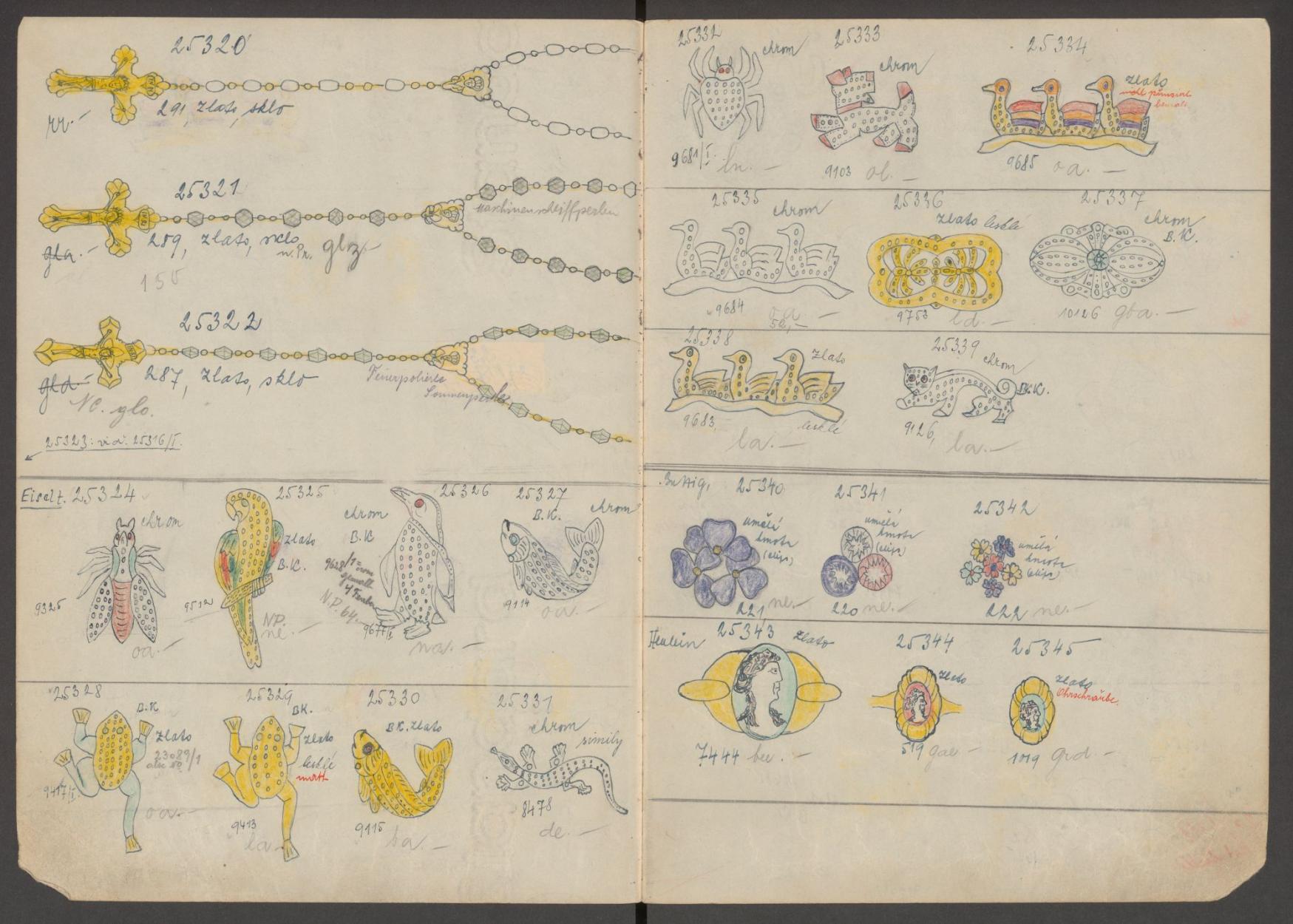
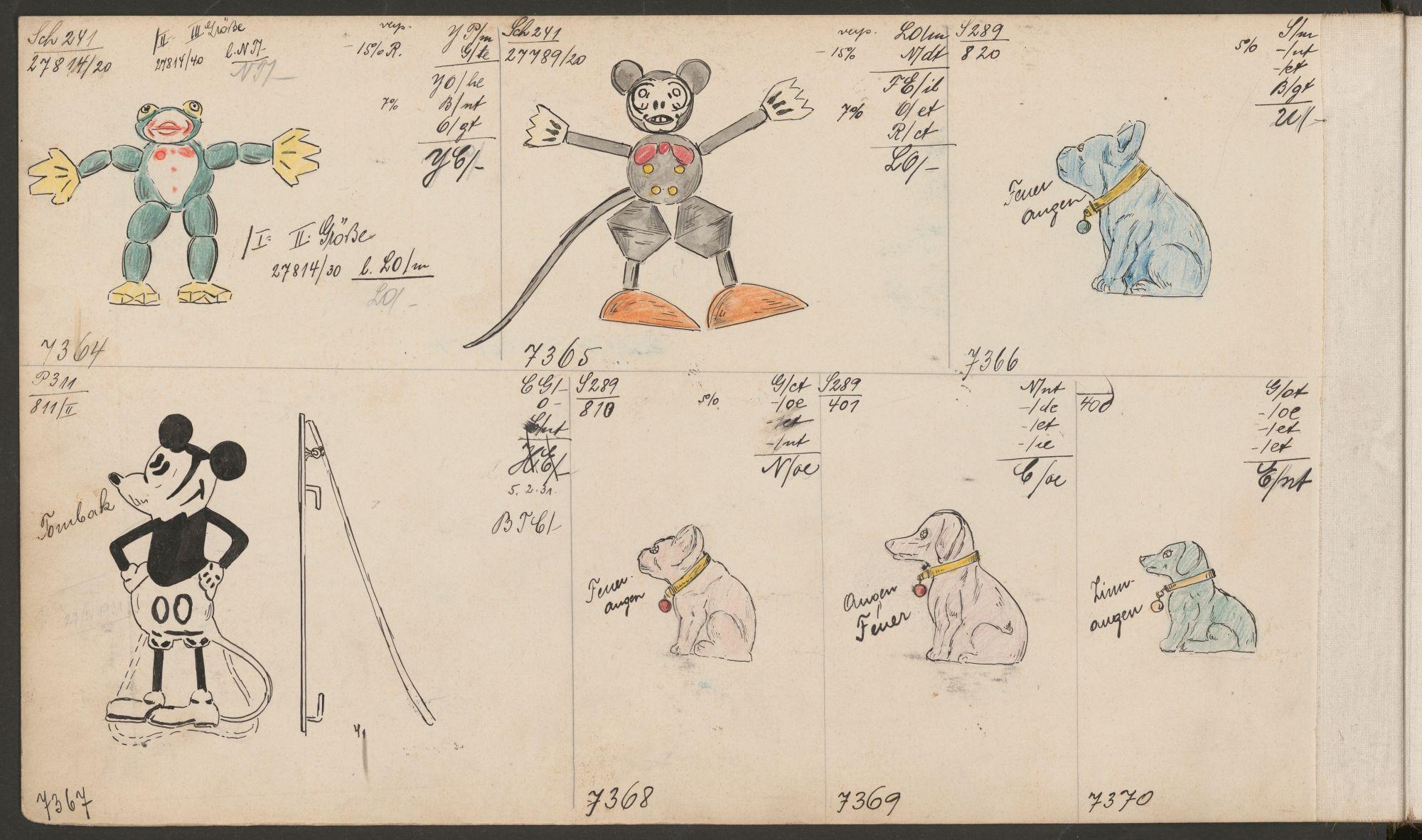
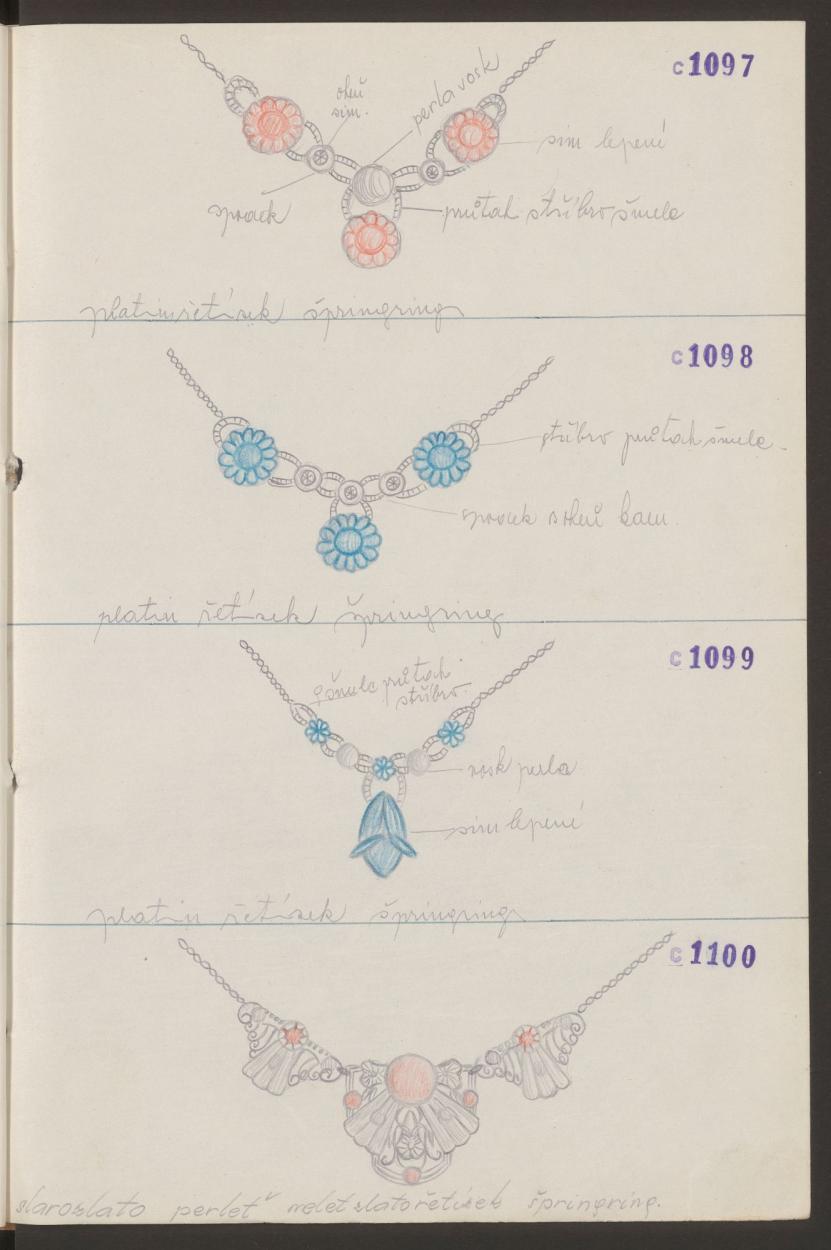
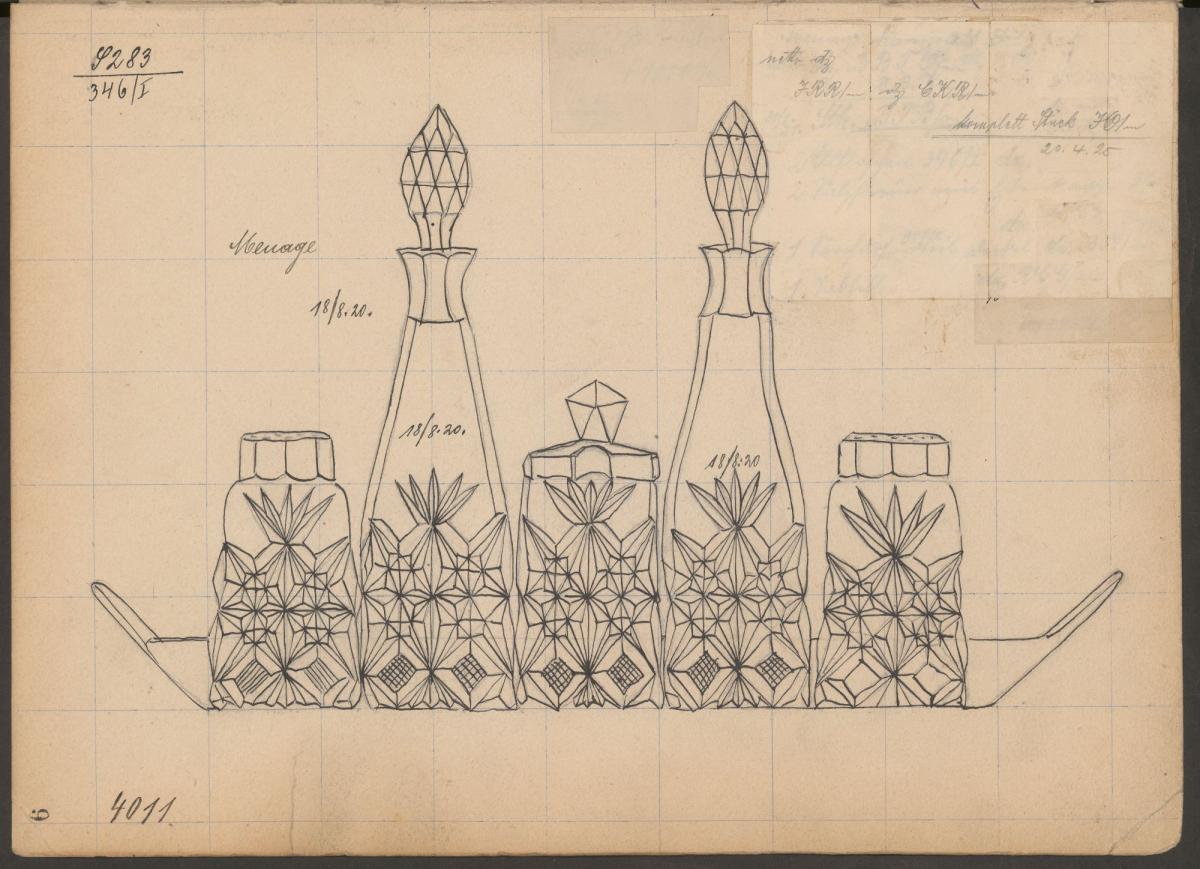
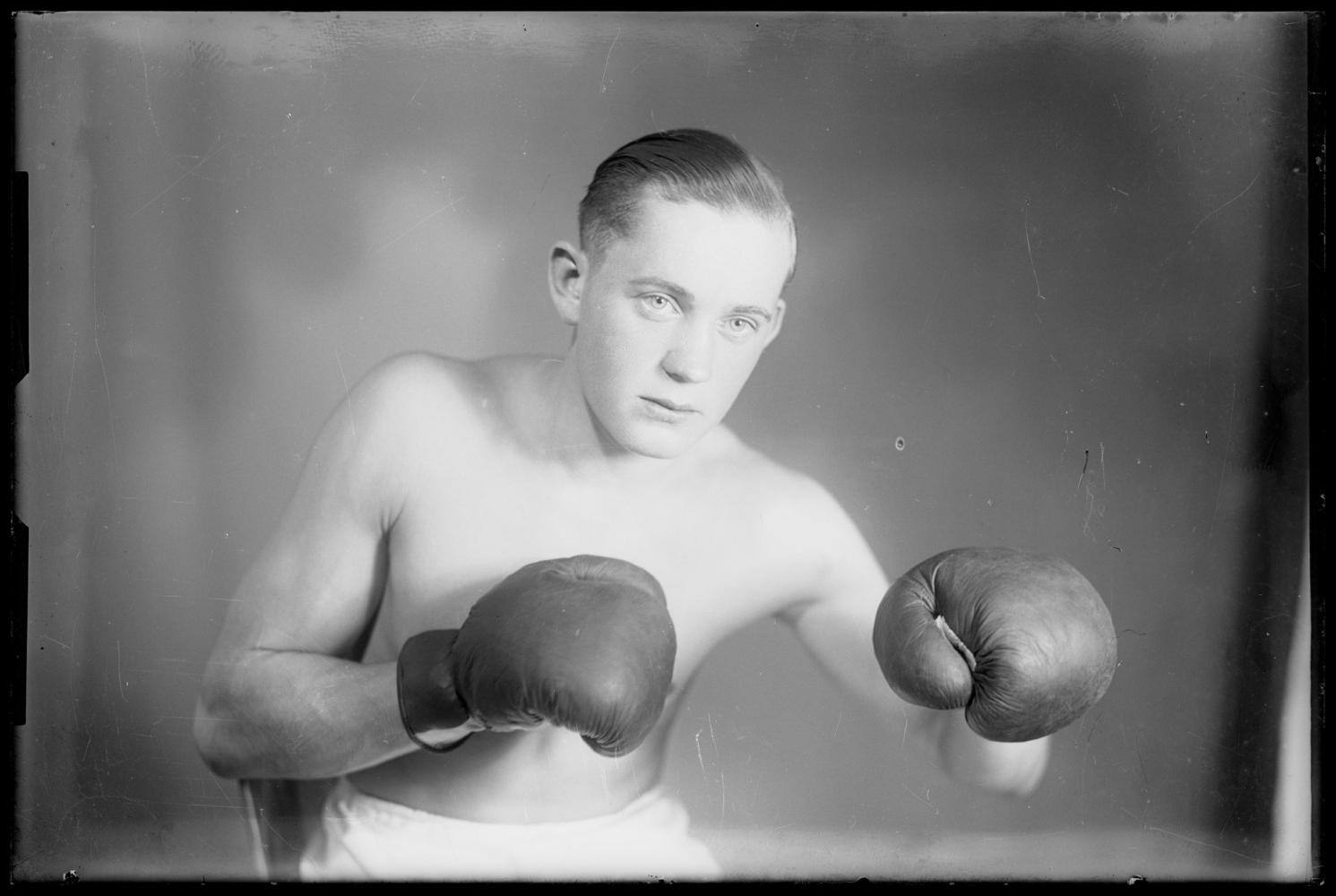
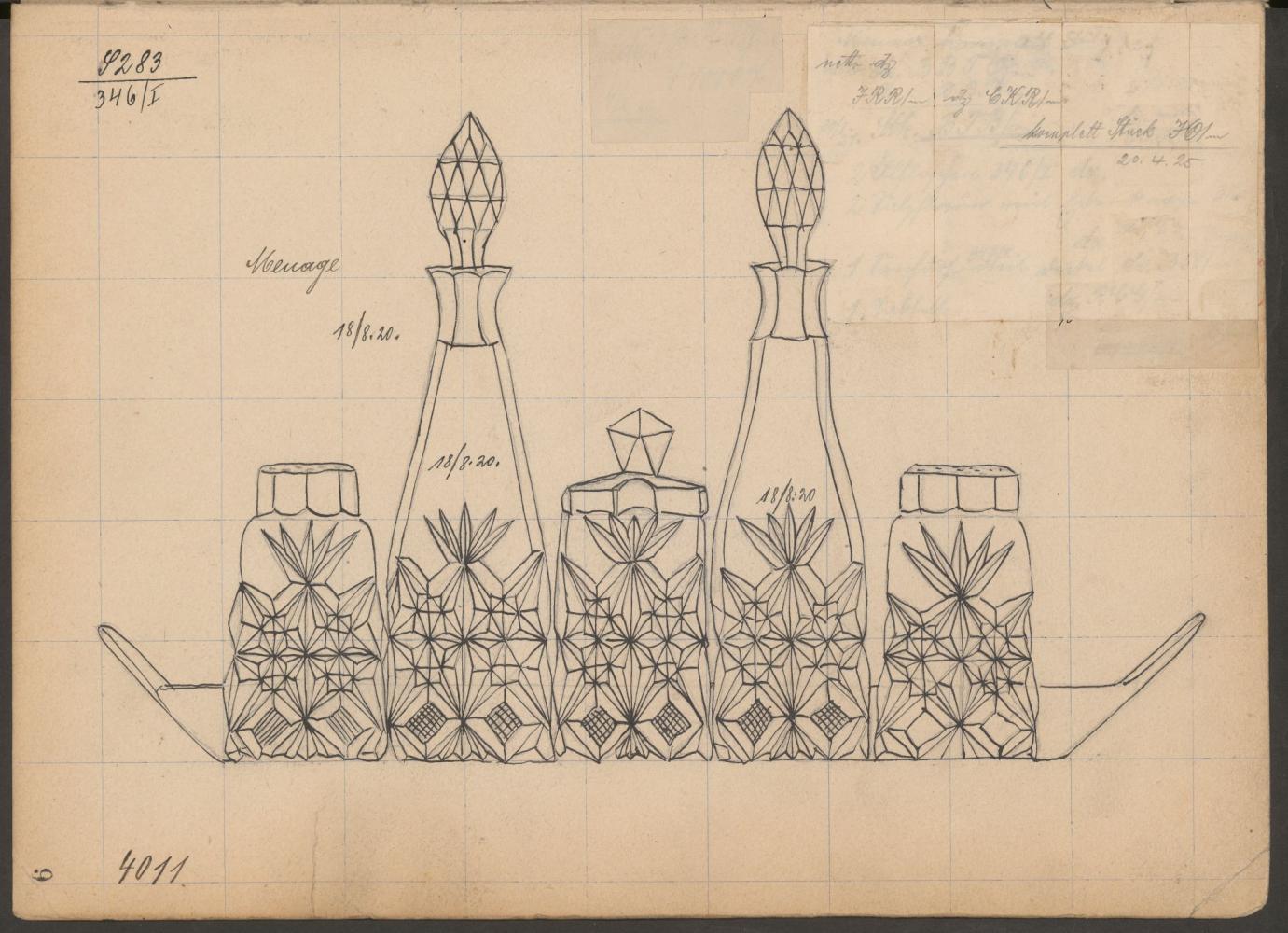
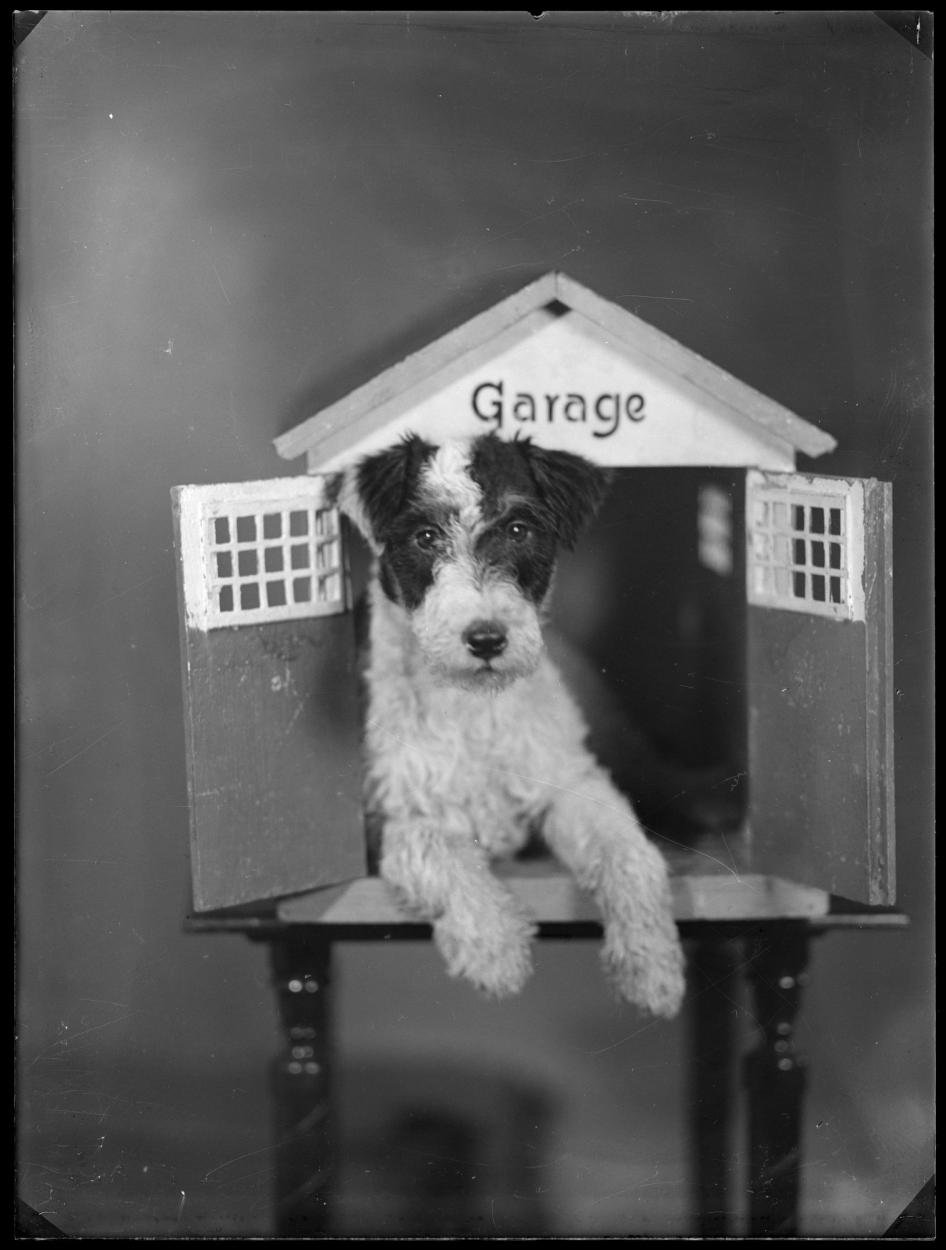
In 2025, the Jablonec Museum digitized two unique collections of items thanks to financial support from the second digitization project under the National Recovery Plan. The project included 600 volumes of sample books and related accounting and business documentation from Jablonec export houses from the 1920s to the 1940s, and a collection of nearly 3,000 glass negatives from the Rössler Studio, which was one of Jablonec's renowned photo studios between 1930 and 1937.
"Both collections are among the treasures of our depositories. Because they are very susceptible to damage during any handling, digitization is the way to make them accessible. Thanks to the project, researchers and the general public can view them online," explains museum director Milada Valečková. The specific nature of the materials and the large scope of the resulting digitized files led to the museum collaborating with external specialists with cutting-edge technology and experience. "This made it possible to process and make selected parts of the collection available in the highest possible quality," added project coordinator Kateřina Hrušková.
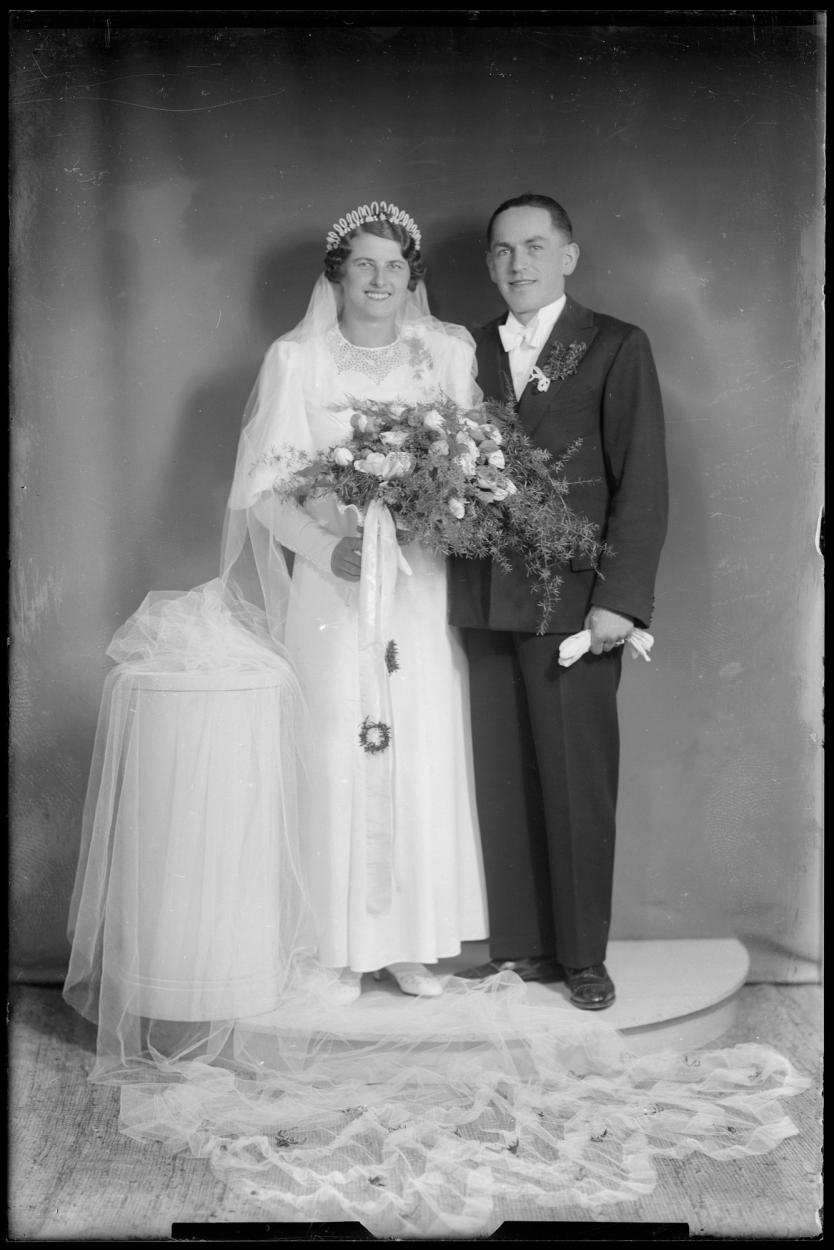
The digitized collection of samples and related period materials provides insight into the product range and relationships between Jablonec manufacturers, exporters, and their customers from the 1920s to the period of nationalization. "The museum manages the business records of 72 export companies that operated in Jablonec until 1945. Of the more than 1,500 volumes, 611 were digitized last year," said Hrušková. The glass negatives from the Rössler photo studio mainly capture portraits of people, mostly residents of Jablonec nad Nisou and the surrounding area from the 1930s. "The subjects of the portraits come from all walks of life. There are newlyweds, children of various ages, women and men in period fashion, and pets and their proud owners," added museum librarian Kateřina Benešová, who cares for the photography sub-collection.
The museum has published the results of the digitization in a freely accessible online database of its collection at www.msbcollection.cz. "The database has been available in Czech and English since 2023. Our users connect not only from the Czech Republic and European countries, but also from the USA and New Zealand," concludes Director Valečková.