Precious stones from the Bohemian Paradise

The brothers Jan and Václav Fišers from Turnov. Their alleged voyage to Venice, five years of efforts to seize the local secret of secrecy, return to Turnov, dozens of wasted attempts and then - finally success! In 1711 they made the first glass for the production of artificial stones.

THE GLASSHOUSE IN NOVÝ SVĚT

It was in 1712, when Elias Müller built his glassworks on the estate of the Harrach Counts in Jilemnice. It continued in the traditional production of glass, which was produced on the border of the Giant Mountains and the Jizera Mountains in the middle of the 14th century. Even today, you can see not only metallurgical production and blowing glass, but also a hundred-year-old grinding shop. It is driven by a water turbine and transmissions used to distribute the driving force.

ELIAS PALME

Elias Palme, one of the most famous luminaire manufacturers, continued the tradition of chandeliers in Kamenický Šenov. Industrial production of chandeliers was started in 1724 by Josef Palme in Prácheň.

ELDORADO OF BEADS AND SEED BEADS

Surely you would not find in the whole Principle and in the broad surroundings of a person who would say a crooked word about Jan Šourek. After all, it was as if he had come to the Principle of Prosperity and Welfare. As soon as he took possession of the reeve, life in the village began to turn for the better. He was one of the first to venture into the world for business.

JOSEF RIEDEL

Josef Riedel, king of the Jizera Mountains glassmakers, was born in Hejnice in 1816. He was the representative of the sixth generation of the glass family and imprinted his footprint indelibly on the slopes of the Jizera Mountains.

FRIEDRICH EGERMANN

JOSEF PFEIFFER

Josef Pfeiffer - Jablonec entrepreneur and mayor, who was involved in the development of jewelery exports. Everything is confirmed at the imperial court and in 1866 Jablonec became a town during his reign.

BLOWN BEAD and its way to the tree

People can make sense of time and numbers, but not us, beads. However, I have heard that they have been blowing me in the mountains for more than a hundred years. As a bead would put it, that is a long time. You, who have never seen how a bead is born, you don´t know how beautiful life can be....

MELTED GLASS SCULPTURE

In 1920 the first Czech glass school was founded in Železný Brod, thanks to which the town became a center of glass art.

Mapa
See & Experience

Hejnice

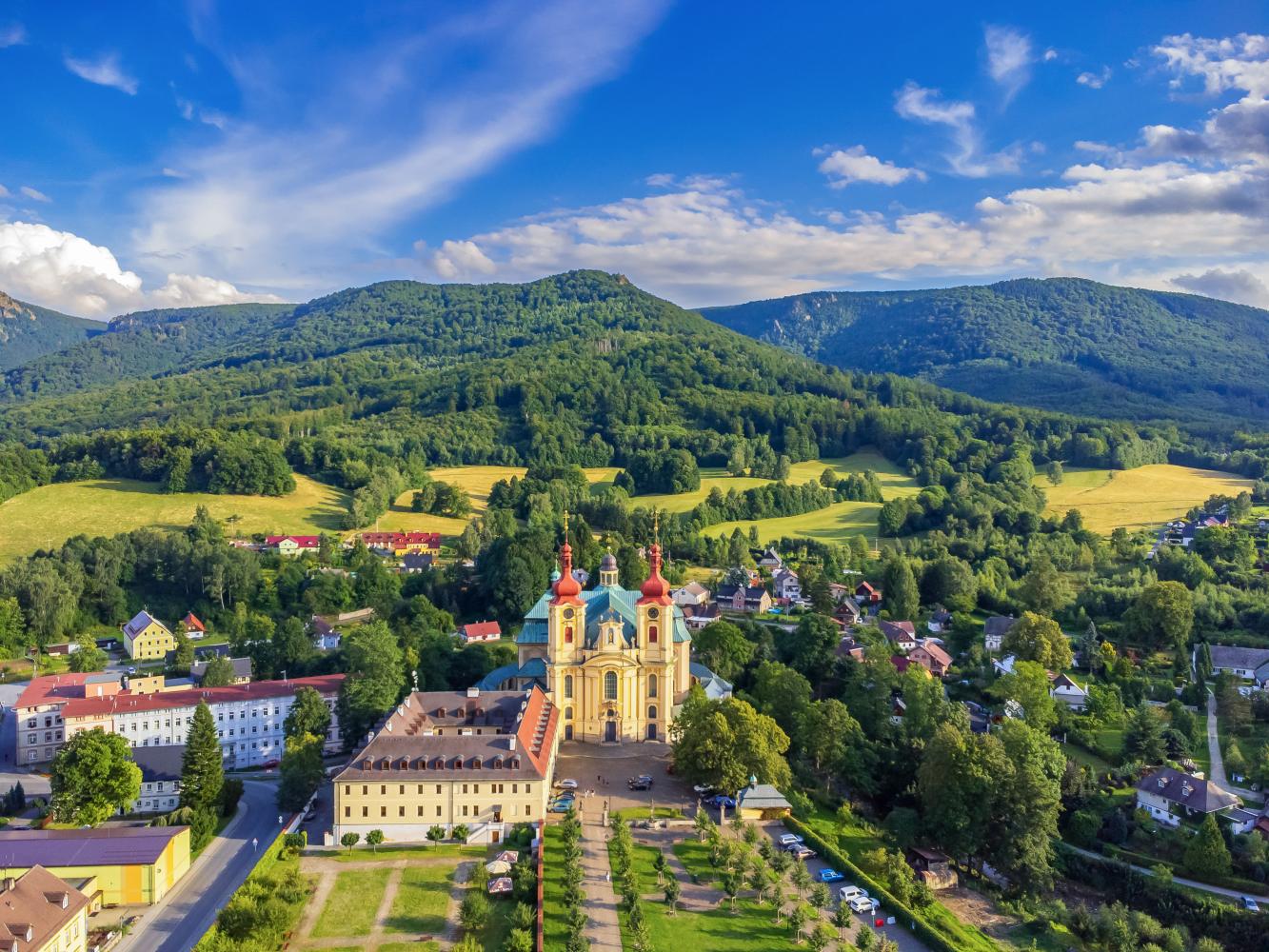
The town of Hejnice lies at the northern foot of the Jizera Mountains, at an elevation of 375 meters above sea level; its main river is the Smědá. Most of this area is part of the Jizera Mountains Landscape Reserve.

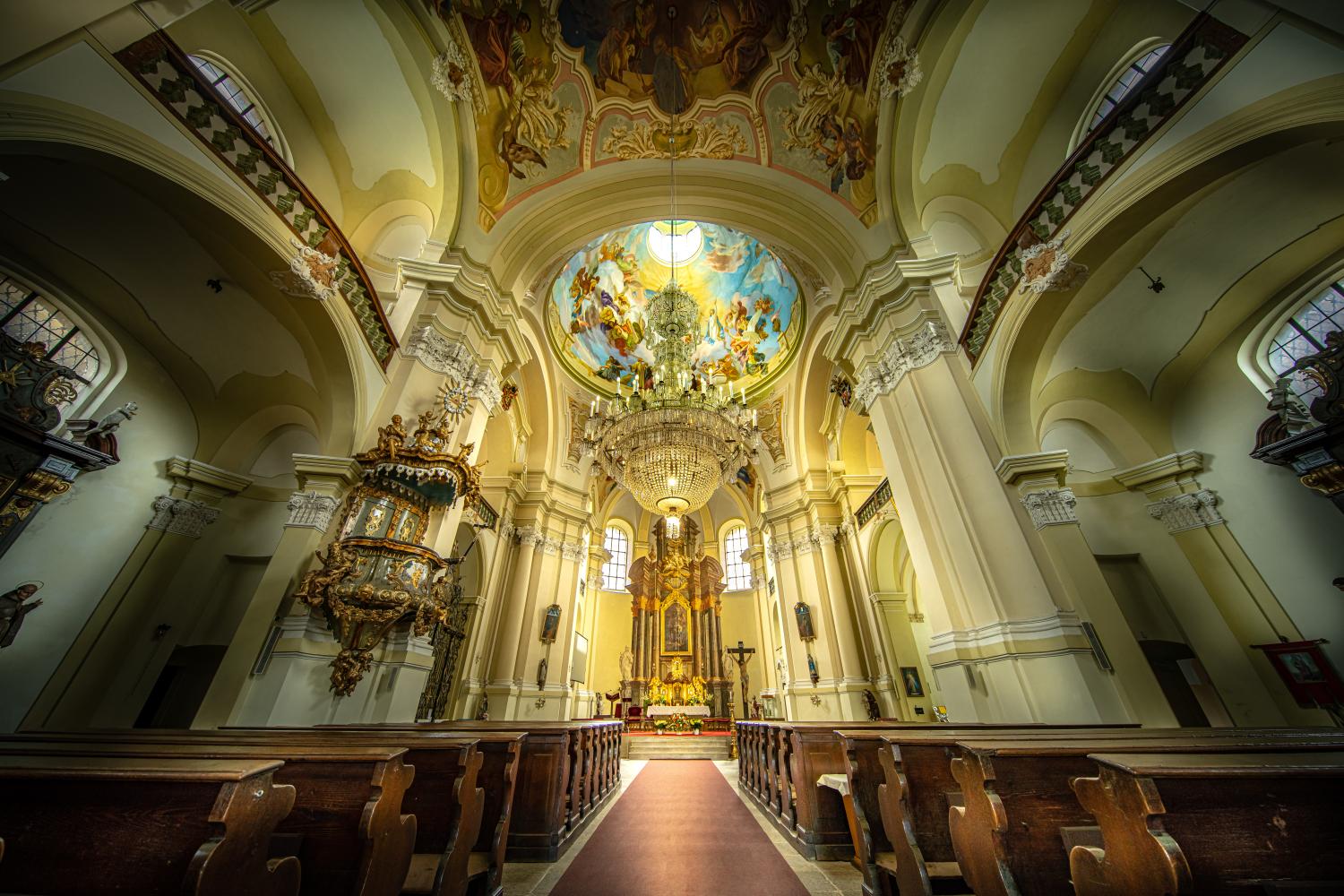
The history of Hejnice has been closely linked to its pilgrimage church, which, according to tradition, dates back to 1211. The healing of the sick here was likely aided by the medicinal water that flows in the nearby village of Libverda. The Franciscan Order contributed to the town’s fame; its monastery was founded here in 1692 by Count František Gallas.

Iron ore mines were opened in the 16th century, and in the 19th century, several textile factories were established in the municipality and its surroundings.

The municipality of Hejnice was granted town rights on July 31, 1917.

It serves as an industrial and agricultural center but is also a starting point for tourists, with access to local public transportation.

The natural value of this area is of great importance for recreation. Several nature reserves and protected areas are located in the region of the mountain ridge. Currently, Hejnice’s cultural significance as a pilgrimage site is regaining importance.

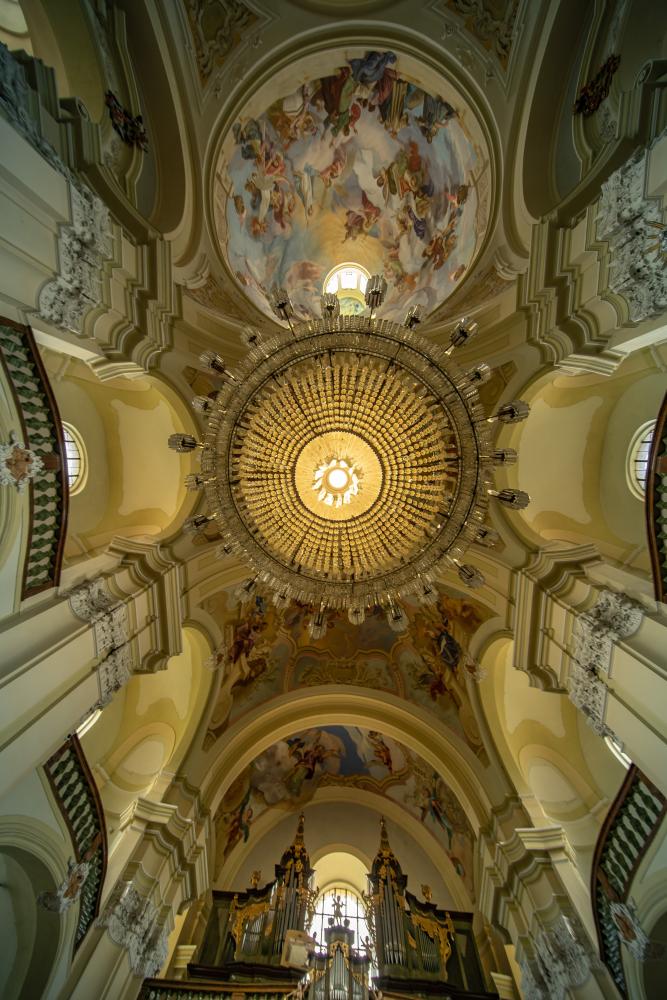
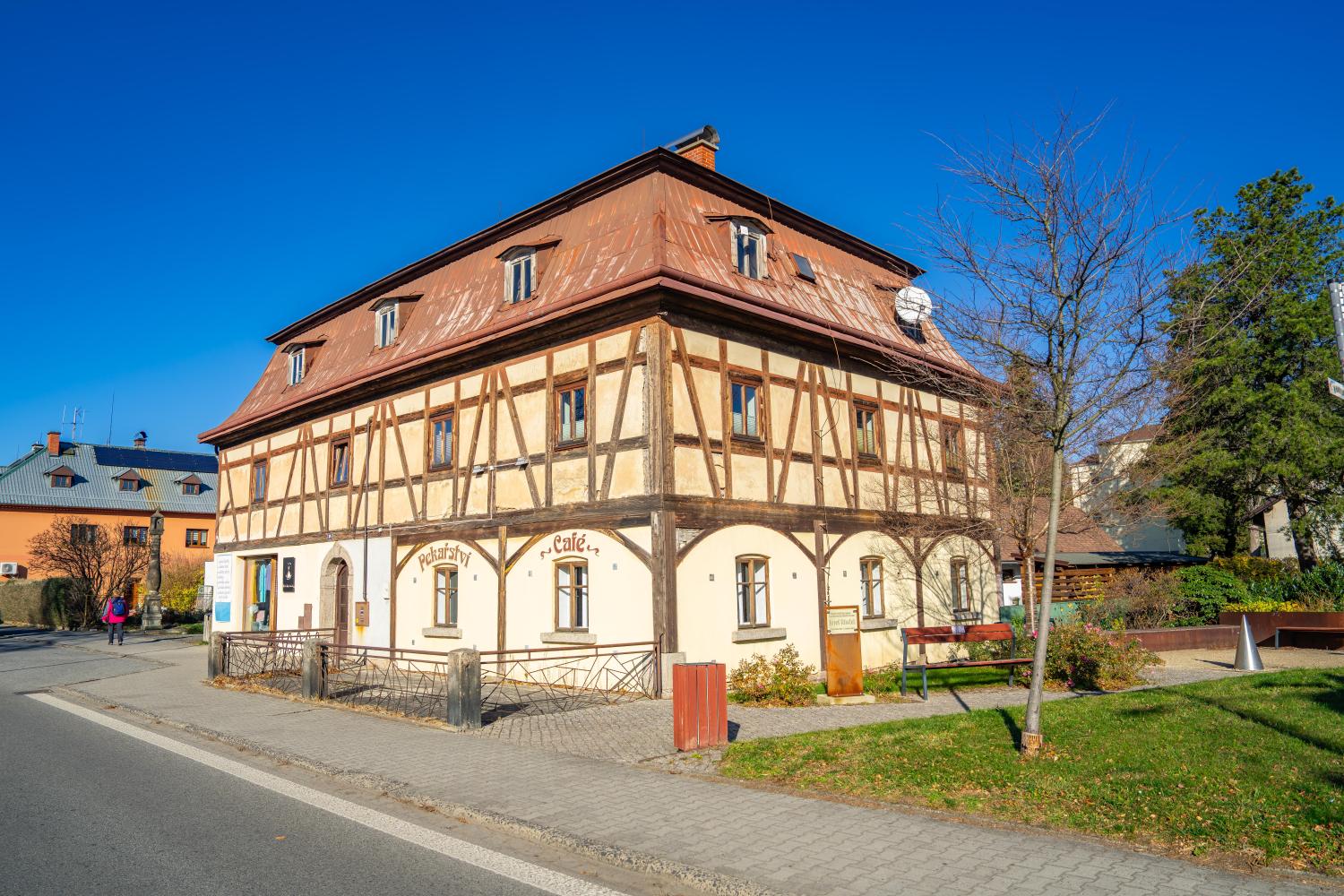
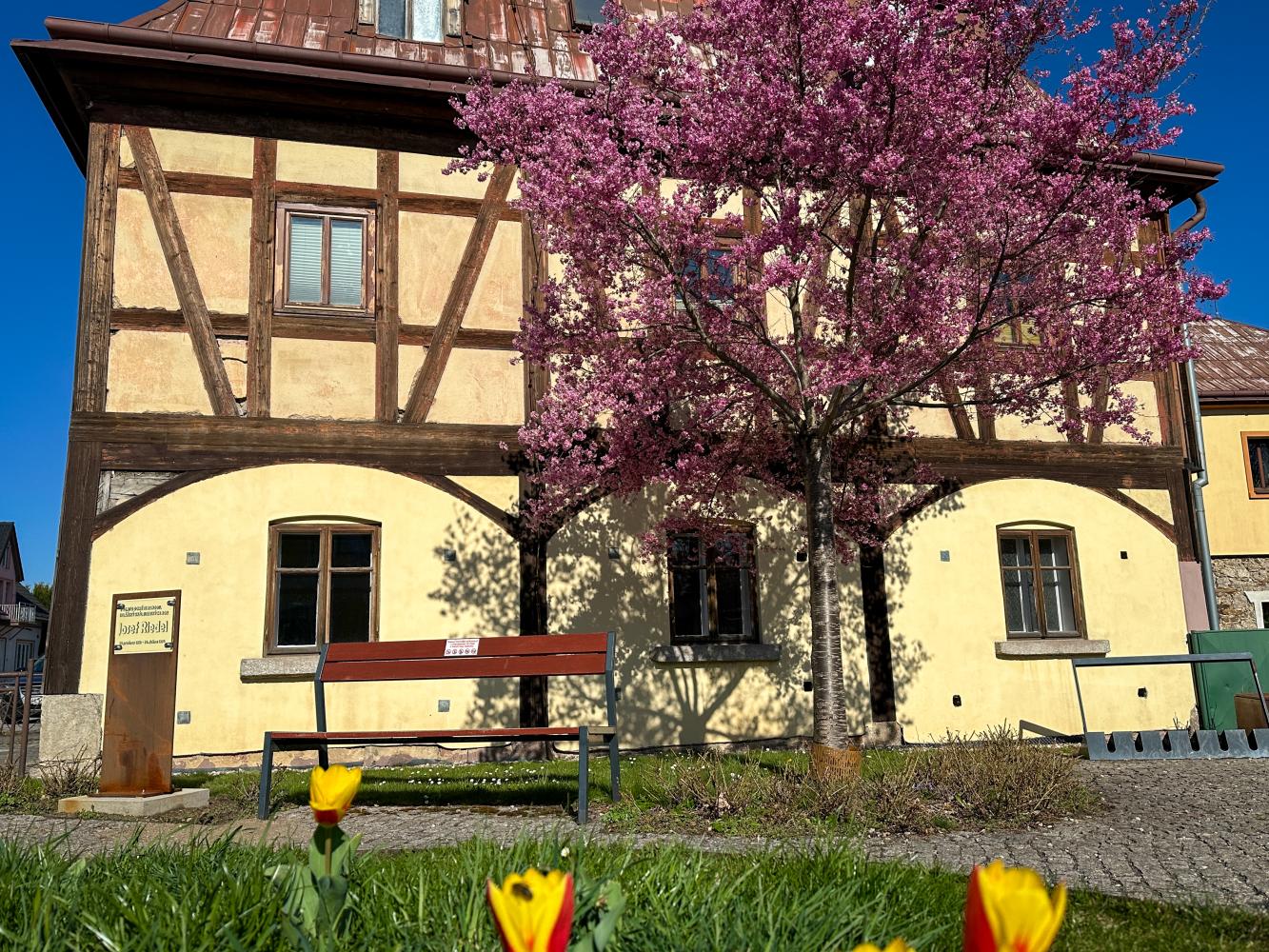
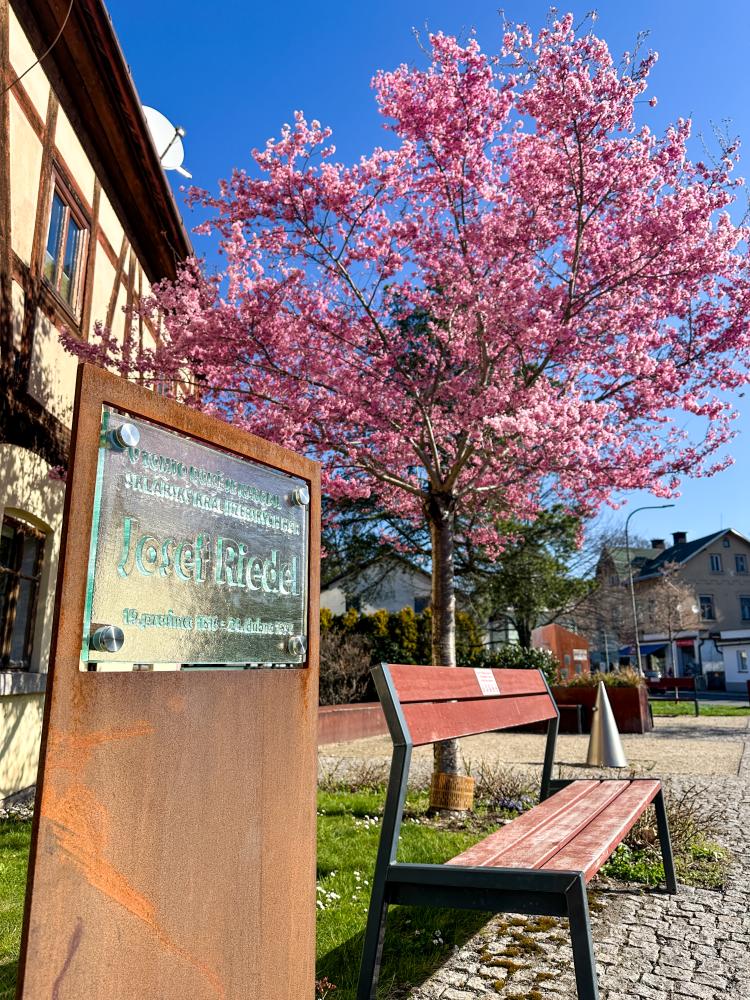
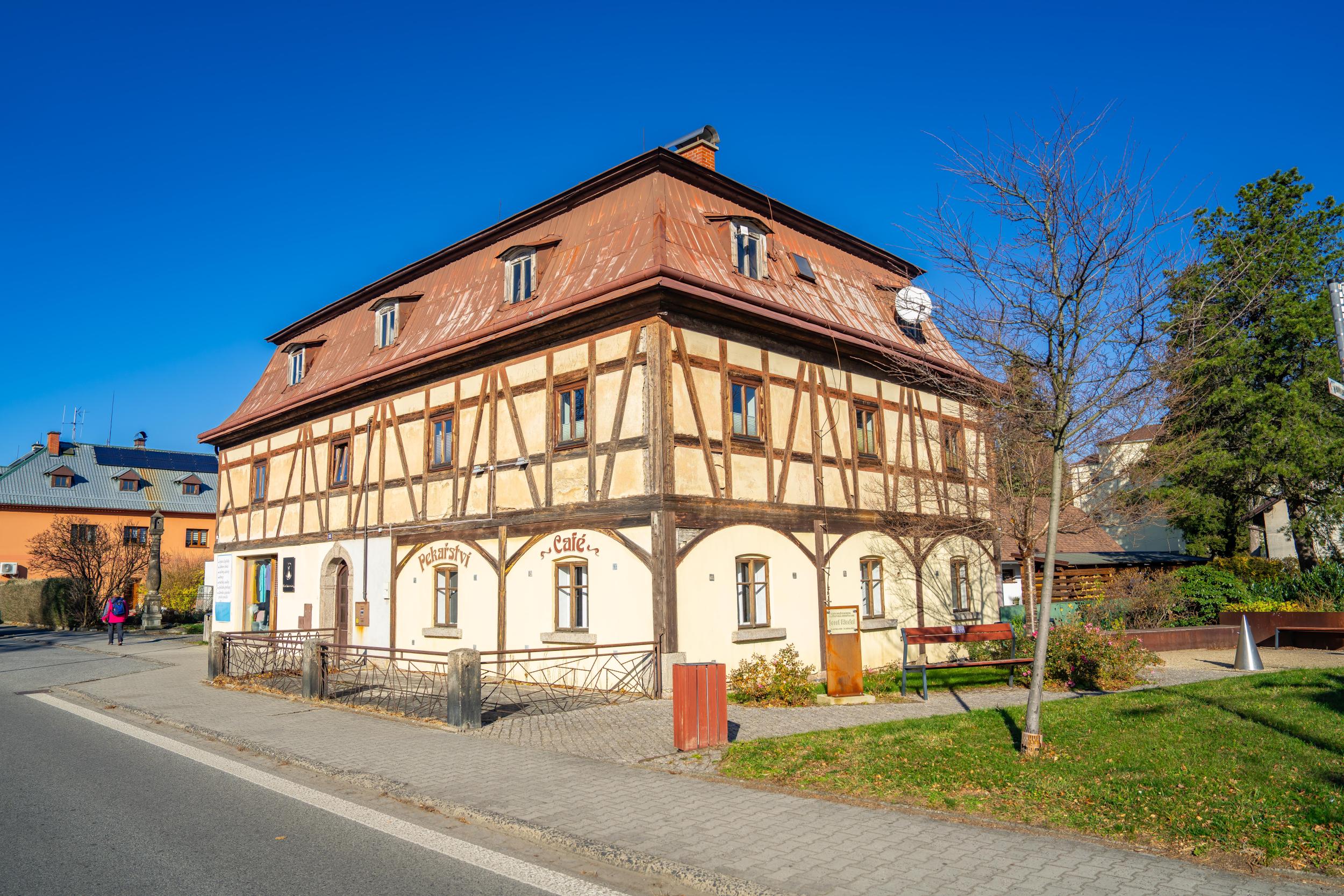
Hejnice is home to the family house of Josef Riedel, the “glass king” of the Jizera Mountains, who was born here in 1816. In front of the house stands a commemorative plaque created by Josef Novotný of the Spider Glass factory in Heřmanice. The plaque was ceremoniously unveiled in 2024 by Maximilian Riedel, a descendant of Josef Riedel, and his wife. In Hejnice, in the Church of the Visitation of the Virgin Mary, there is also a monumental crystal chandelier that Josef Riedel donated to his hometown and to the church where he was baptized.