The glass beads from Poniklá survived both the wars and nationalization. Today, they are listed as a UNESCO World Heritage Site
The village of Poniklá lies near Semily, at the foot of the Krkonoše Mountains. In the local cottages, under the auspices of the Rautis company, glass bead ornaments are crafted. The product is so unique that its production has been added to UNESCO’s list of Intangible Cultural Heritage of Humanity. What does a business that builds on the legacy of its ancestors while also facing the demands of the modern age look like today?
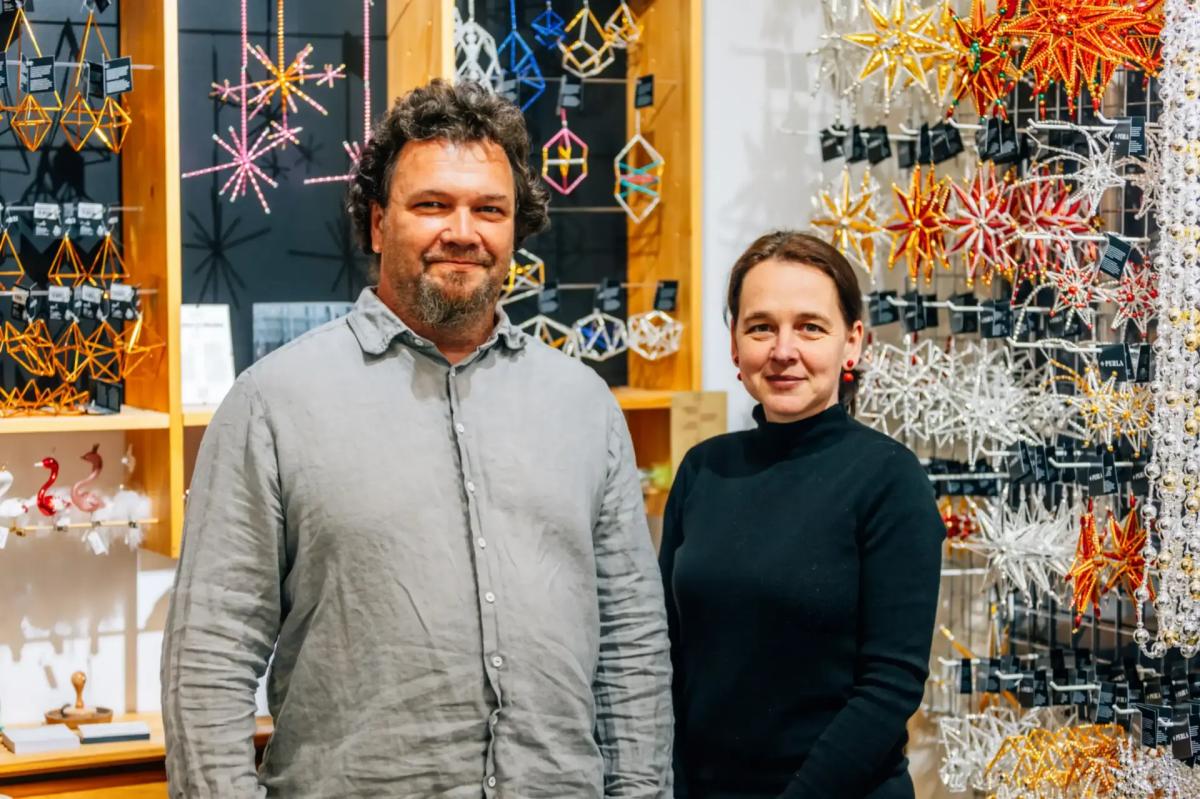
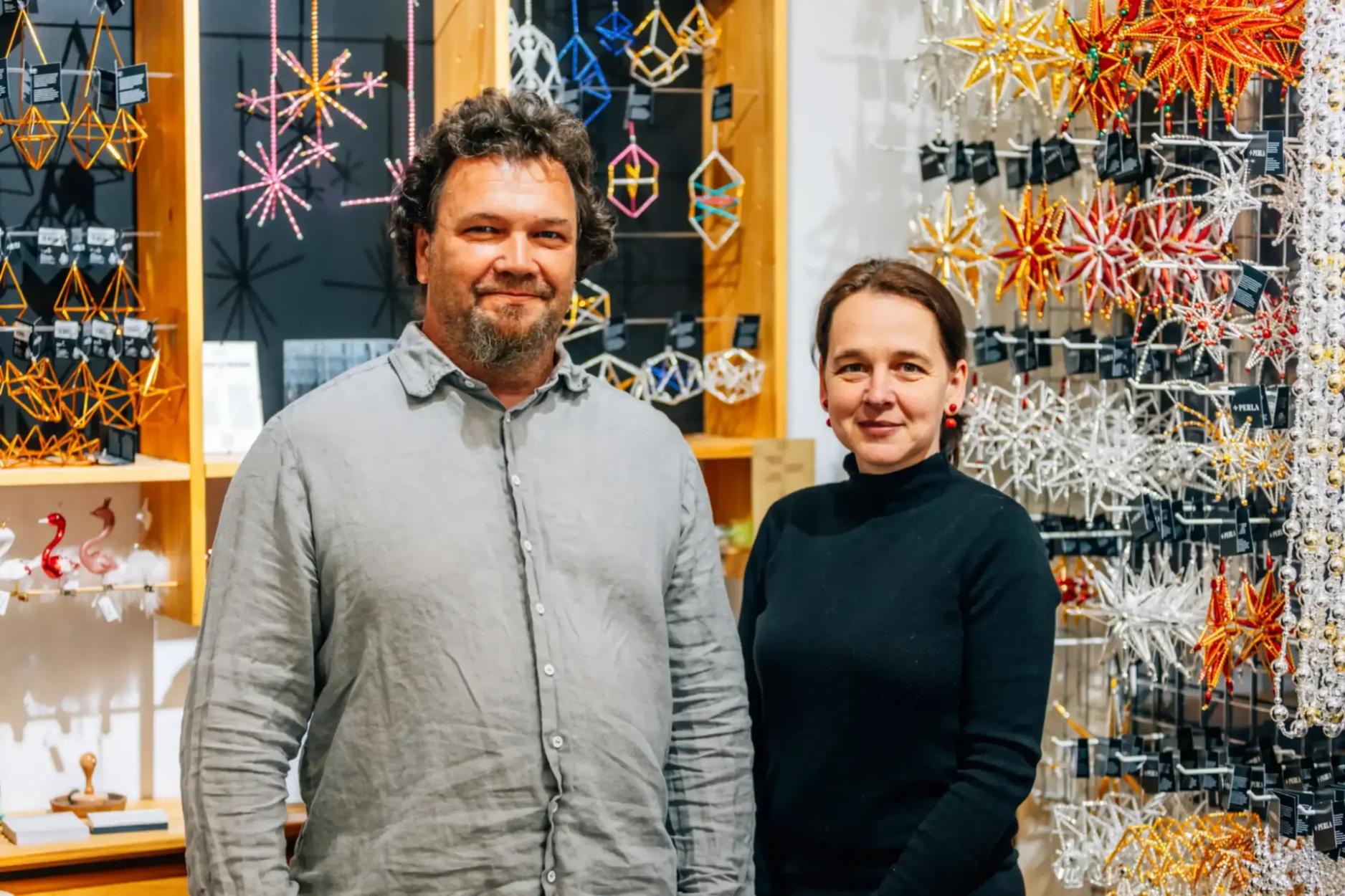
From a distance, they look like delicate Christmas ornaments. Up close, you can see the handiwork: tiny irregularities that prove they were created by specific artisans, not in an anonymous factory. To this day, glass beads are used in Poniklá to create stars, angels, comets, and animals.
“The first beadmakers came to Poniklá around 1870 from the Jablonec region, specifically the area around Jablonec nad Nisou, and brought with them the craft of glass bead blowing. Until then, the locals had earned a living during the winter by weaving, which was a rather unprofitable occupation. Bead production was more financially rewarding. It quickly spread among the neighbors and has been passed down from generation to generation ever since,” explains Barbora Kulhavá from Rautis.

From Glass Tubes to Experiential Tourism
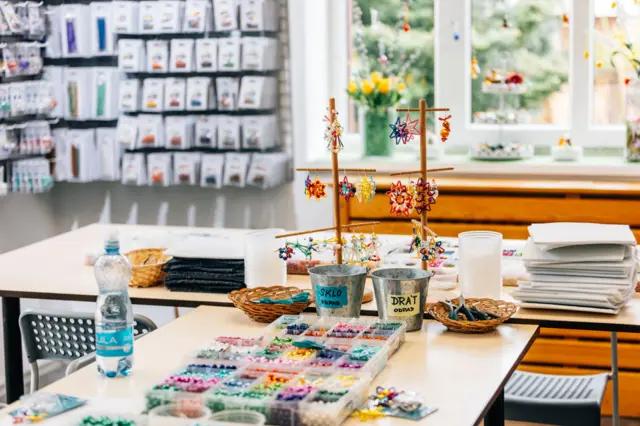
The original production method has survived to this day. “We have one central workshop and dozens of collaborators working from home. It’s an ancient model that was common mainly in mountainous regions, where people couldn’t commute to work every day. Surprisingly, after the original company was nationalized, it survived the entire socialist era and privatization,” explains Barbora Kulhavá. Even today, the production of glass beads and ornaments continues in many families in Poniklá, and it turns out that the opportunity to work from home is in high demand.
The workshop in question is now located in the premises of Stanislav Horna’s original company, which was already producing glass ornaments at the turn of the 19th and 20th centuries. It was this local tradition that the company Astir carried on in 1990, from which Rautis was then established in 1995. Since 1990, the family of Marek Kulhavý, the current director of Rautis, has also been involved in glass beadmaking.
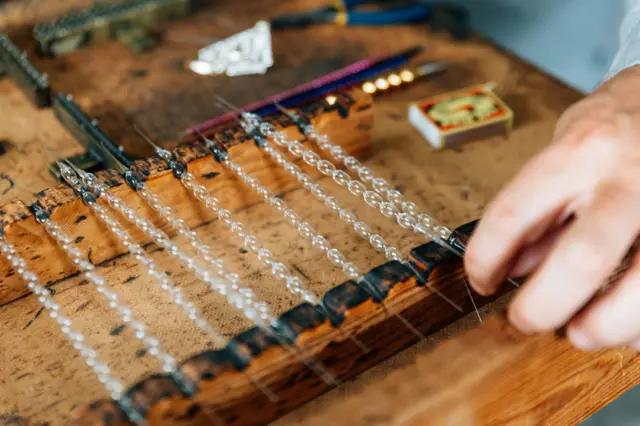
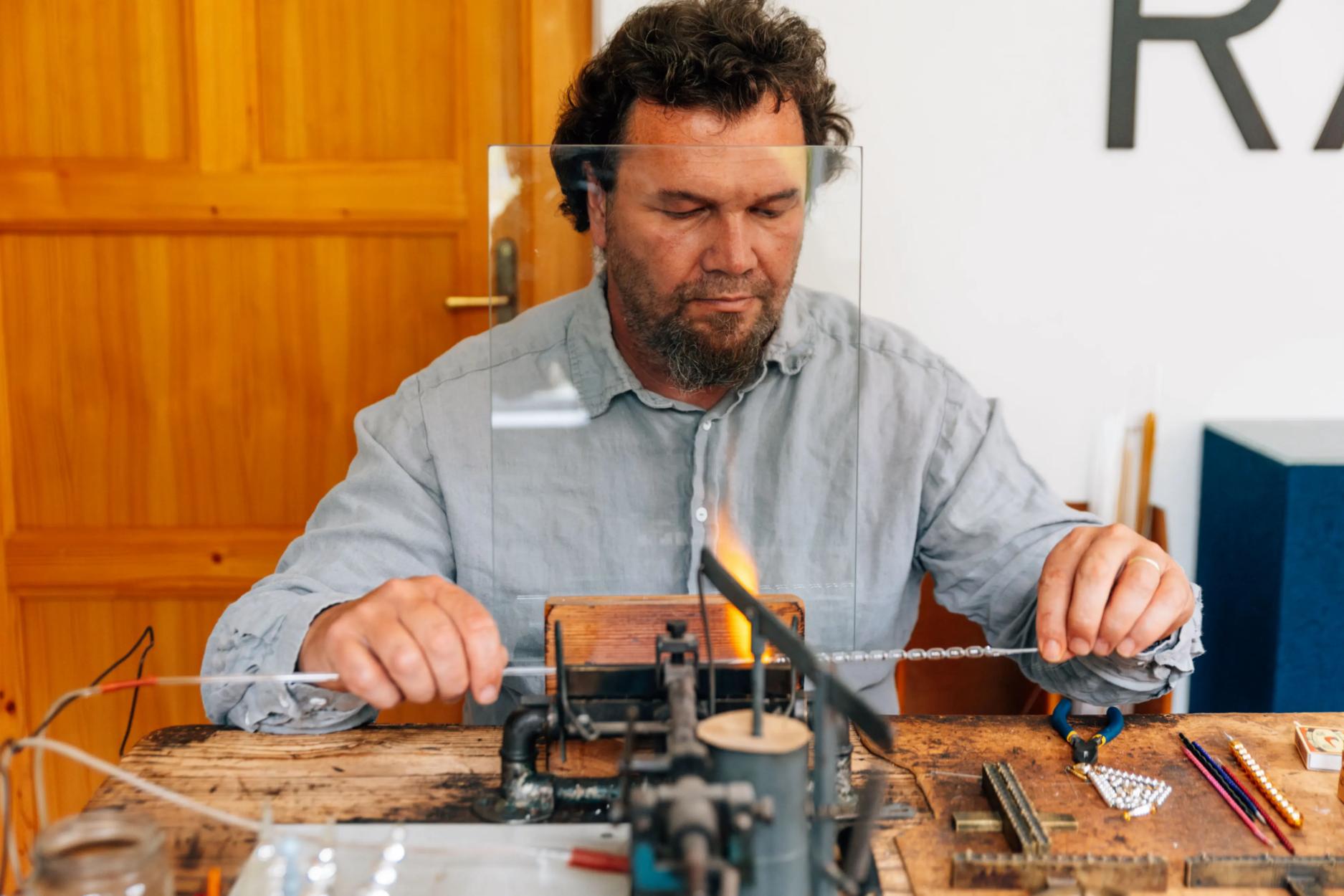
Production begins with glass tubes, which are heated over a burner. The hands of an experienced beader then place the hot glass into a mold, where it takes on the desired shape. After cooling, the pieces are silver-plated, dyed, and cut into individual components. Only then is the ornament created—the beads are strung onto wires and shaped according to the design.
The company faced its greatest crisis at the turn of the millennium, when the economic downturn caused demand for ornaments to plummet in what was then its most important market, the United States. Rautis survived in part because it reached out to people. It gradually began building its own customer base with a focus on the Czech Republic, organizing tours, creative workshops, and corporate events, and in recent years has also collaborated with designers.
A Living Tradition Instead of a Museum Exhibit
Collaboration with the Regional Development Agency also provided a major boost to the company’s further development. Specifically, our participation in the PlatInn program, which is provided by the Lipo.ink business incubator.
“We’ve learned not only to think more effectively about brand communication, but also to operate more effectively within the context of the town and the region. Over 14,000 people visit us every year. It’s up to us to resolve parking and visitor traffic in the town to the satisfaction of both locals and tourists,” says Rautis Director Marek Kulhavý. He adds that the collaboration between the company and the town in tourism will be the topic of his presentation at the Northern Bohemia destination brand’s fall conference.
For Rautis, the flagship of this cooperation is the Crystal Valley project, which connects glassmakers in the region and provides them with strong marketing support. It opens doors for Poniklá residents to new collaborations, the sharing of experiences, and the promotion of Poniklá’s craft abroad.
After all, the fact that the beadmaking craft continues to evolve and is actively passed on to future generations was one of the main criteria for its inclusion on UNESCO’s List of Intangible Cultural Heritage of Humanity.
“It is a great honor for us. We view the inclusion on the list as a tribute to all past and present pearl makers who have contributed to preserving the tradition and craft,” adds Barbora Kulhavá, who wrote a book about the history of the craft in 2018.
Marek Kulhavý then speaks about the vision for the coming years: “Thanks to our participation in the PlatInn program and our collaboration with a mentor, we’ve realized that we shouldn’t set easy or small goals for ourselves. That’s why we’d like to see a star become a part of the Czech Christmas tradition, alongside the carp, the tree, and the cookies. The real one, from the Krkonoše Mountains, from Poniklá,” he concludes.